Say Goodbye to "Manual Stitching": In-depth Analysis of Jellyfish, an Open-Source AI Short Drama Workflow
In the field of AI video creation, generating individual clips is not difficult; the real challenge lies in maintaining the coherence of the story. Current short drama creation models mostly rely on "manual casting": writing the script in a text model, experimenting with padding images in Midjourney, and finally feeding the footage into the video model and waiting for the results.
Jellyfish The aim is to break down this disconnect. As an open-source project, it doesn't develop the underlying model, but rather builds an integrated workflow that attempts to connect scriptwriting, storyboard design, character asset management, video generation, and post-production editing under the same logic.
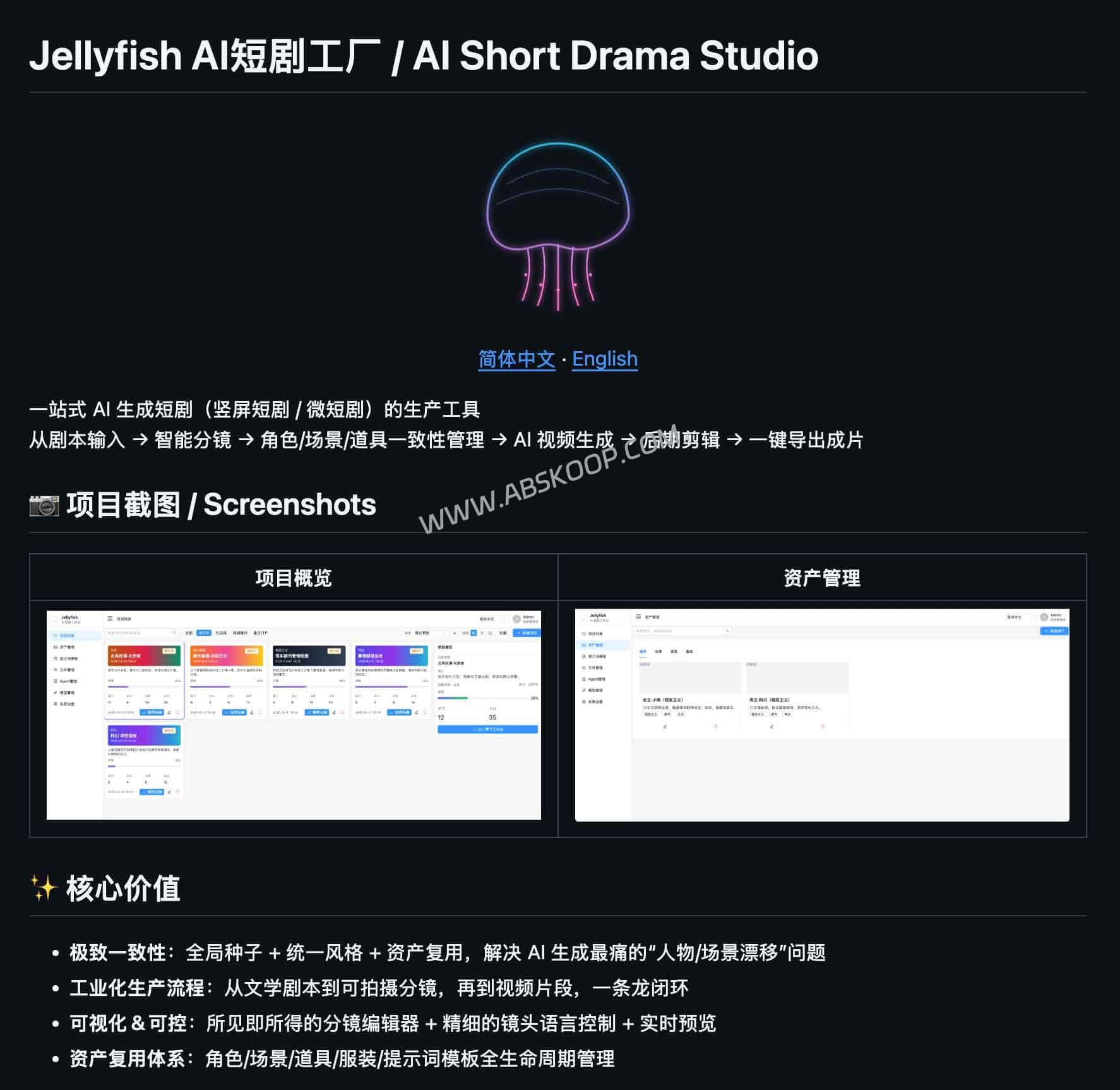
Core logic: How to solve the problem of character drift and process disconnect?
Jellyfish's core idea is to "modularize" video creation, reducing randomness by strengthening the logic of asset reuse:
- Global style anchoring: Establish a consistent style and seed value during the project creation phase to minimize visual discrepancies between storyboards.
- Two-tier asset management: Store the preset character appearance and key equipment in the asset library and tag them. Subsequent calls can directly retrieve the tags, eliminating the need to repeatedly write lengthy Prompts.
- Refined storyboard control: It offers more intuitive storyboard editing capabilities, such as supporting the setting of independent prompts for the first and last keyframes, improving the accuracy of scene transitions.
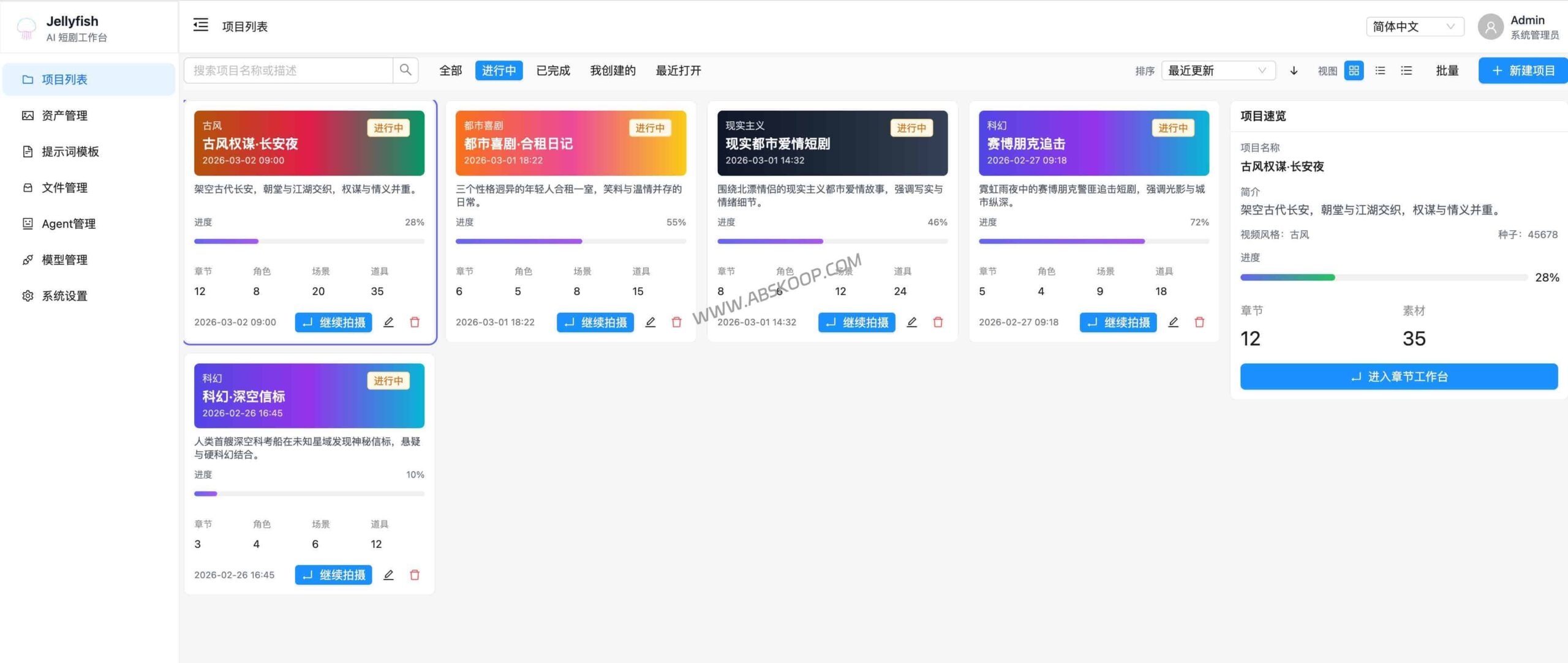
Jellyfish does not provide computing power support; users need to provide their own API key. It is designed to support text-based interface integration. OpenAI, Claude The model is compatible with the video platform. Kling, Runway, Luma Mainstream services, etc.
Technical Deployment and Pitfall Avoidance Guide
For developers who wish to deploy via source code, Jellyfish's UI framework and model management module are already operational, but the following details should be noted during the front-end and back-end integration testing phase:
Since the frontend requests are automatically generated based on the backend's OpenAPI specification, if interface errors occur after startup, please first confirm that the backend is working correctly.
8000 The port is running normally, then execute the following in the frontend directory. pnpm run openapi:update Update the type file.Precautions: According to the official roadmap, the core storyboard rendering pipeline is still under development, and a one-click deployment package is not currently available. This project is more suitable for technical teams to research architectural directions at this stage and has not yet reached the maturity required for a commercial production environment.
Business Perspective: The Economic Value of Process Optimization
With high-end video models being expensive, relying on a "blind trial" approach to creation leads to an extremely high rate of rejected videos, directly increasing production costs.
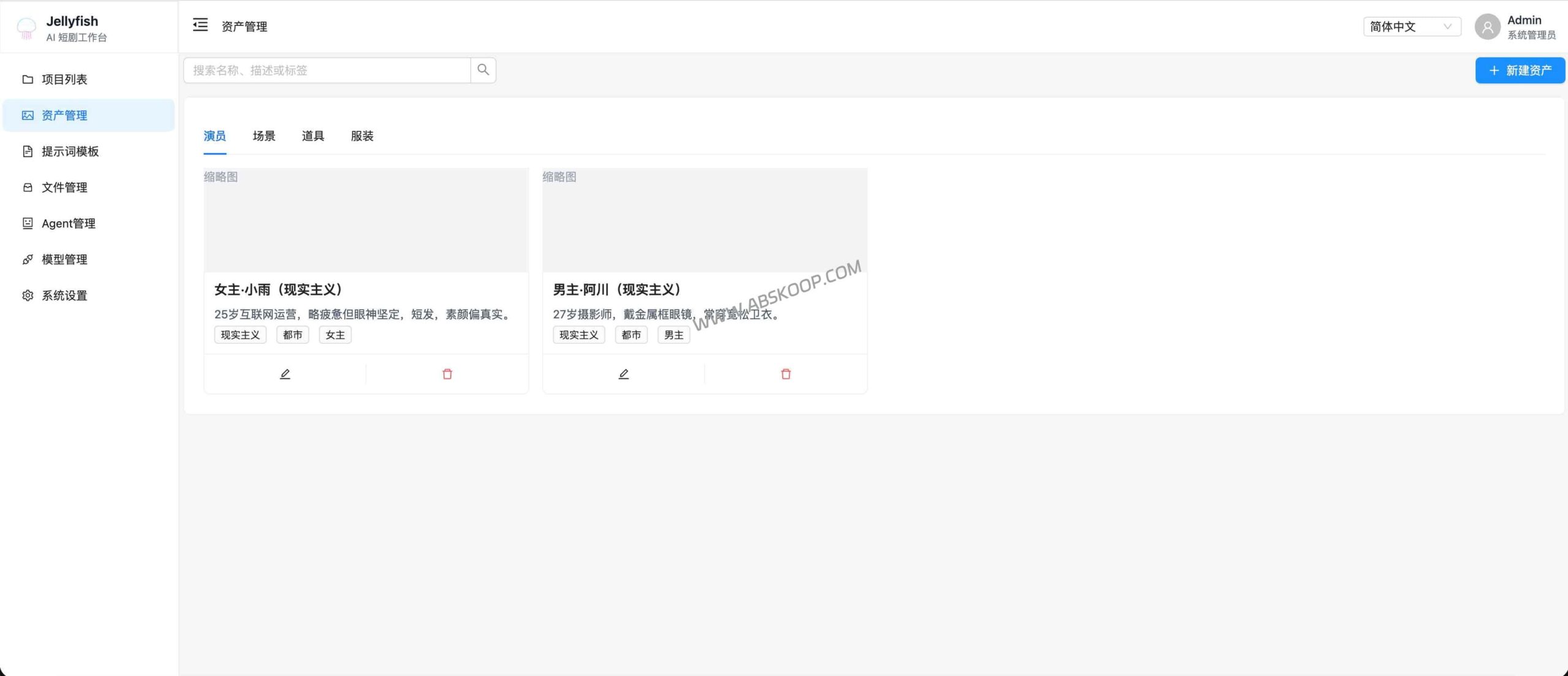
The real significance of these workflow tools lies in reducing unnecessary calls through "orchestration." If reference diagram reuse and storyboard management can be successfully implemented, it will significantly reduce the trial-and-error costs for mass production teams.
🚀 Resource Acquisition Channel
🌐 Direct access to the official GitHub repository
Get the latest source code, architecture descriptions, and project documentation.
🐙 Developer Issues Discussion Area
Track the progress of storyboard rendering and participate in discussions on automated workflows.
Disclaimer: The Jellyfish project described in this article is for technical research and architectural discussion only. This project is in its early development stage and is not a mature commercial tool. When using it, please adhere to the original author's open-source license and ensure that any third-party APIs called (such as Kling, OpenAI, etc.) comply with local laws, regulations, and terms of service.
