Automating the monitoring of "good secondhand goods" with Python: A monitoring solution based on AI visual models
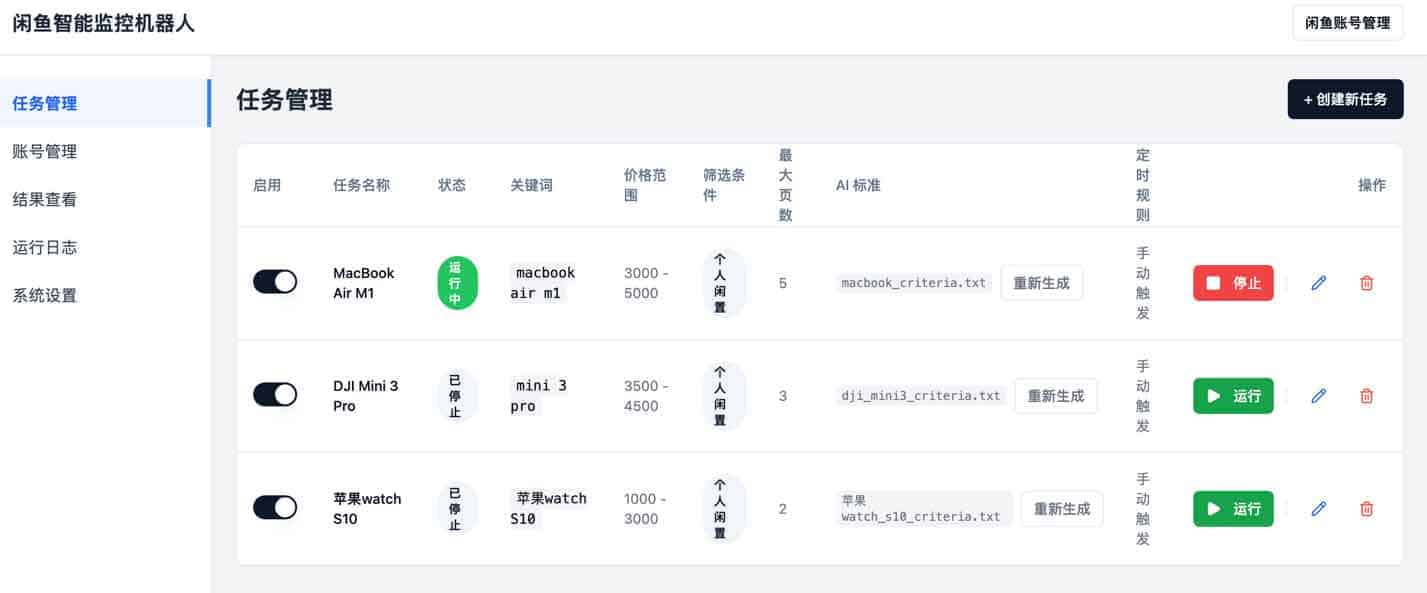
For tech enthusiasts, the key to snaging high-value items on secondhand platforms like Xianyu isn't luck, but rather... Response speedBecause products are updated very quickly and are not standardized, manual refreshing is not only inefficient but also prone to missing items. This open-source monitoring project based on Python addresses this issue by... AI Visual Large Model (LLM) By introducing a web crawler process, a leap has been made from simple "keyword matching" to "intelligent image recognition," enabling the program to filter products like a human.
Core technological advantages
Unlike traditional simple scripts, this project has undergone enterprise-level upgrades in data collection and filtering:
1. Introduce AI Vision visual recognition
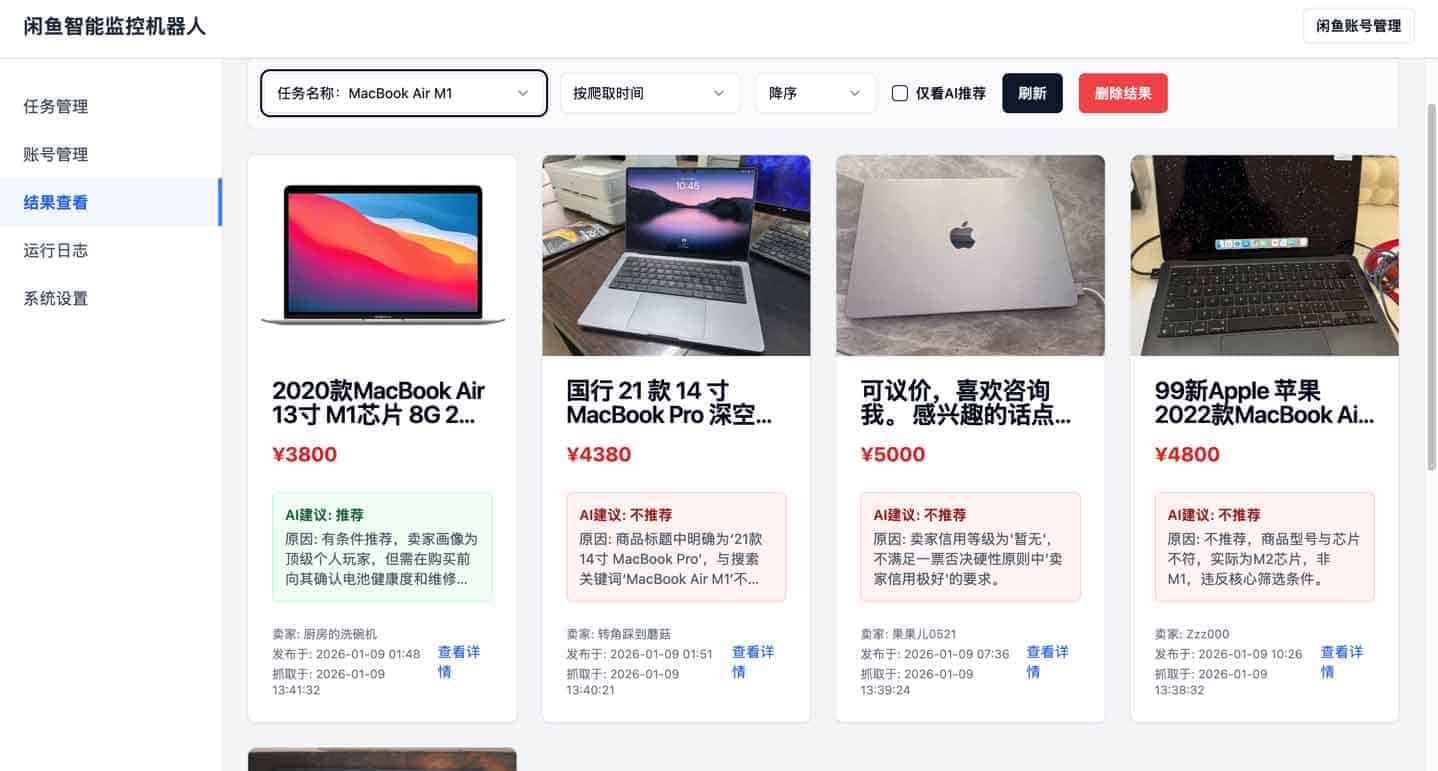
This is the project's core competitive advantage. Traditional scripts often fail due to keyword overload (e.g., searching for "iPhone" but finding phone cases instead). This tool connects to GPT-4V or a compatible visual model, enabling direct analysis of product thumbnails. Users can set specific requirements via Prompt, such as "only retain devices with unbroken screens," allowing AI to automatically filter out unacceptable products.
2. 24/7 Docker containerized deployment
The project natively supports Docker, greatly reducing the difficulty of environment configuration. Users can deploy it on low-power NAS or cloud servers to achieve silent background operation 24/7, completely replacing manual high-frequency searches.
3. Millisecond-level multi-channel real-time push
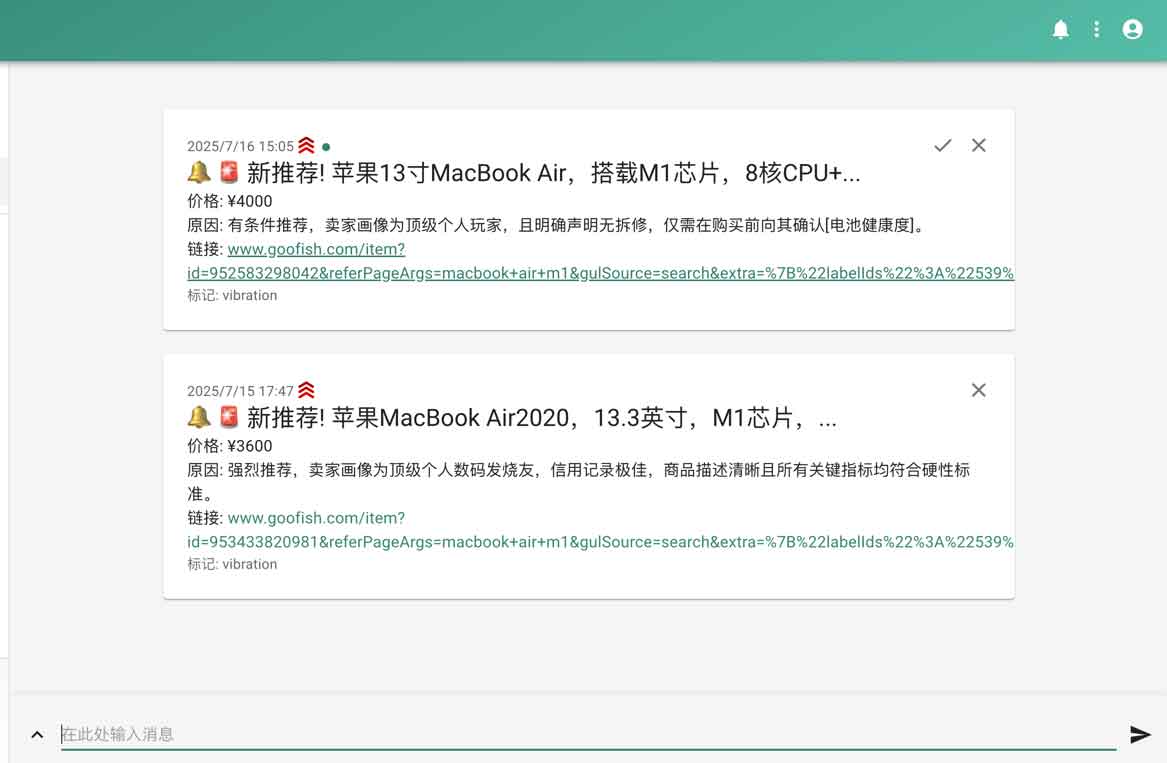
The system has a built-in webhook trigger mechanism. Once a product that meets the "price threshold" or "visual characteristics" is detected, a notification will be immediately pushed through WeChat, Telegram, or Bark to ensure that users can make a decision as soon as possible.
Features and Architecture
This system encapsulates complex low-level Python logic within a modern web management interface, enabling advanced monitoring through simple configuration.
- Natural language configuration: With the help of Prompt Engineering, users can define filtering rules in plain language, such as "only devices with a battery health of 90% or higher".
- LBS area locking: Calling the geolocation interface allows for precise targeting of administrative regions, greatly facilitating the selection of goods for same-city face-to-face delivery.
- Request chain optimization: Built-in standard User-Agent settings and a scientific request interval algorithm reduce the pressure on the target site while ensuring data collection stability.
Quick Deployment Guide
Docker deployment is recommended to avoid environment conflicts. Linux/macOS users can proceed directly, while Windows users are advised to run in a WSL environment.
1. Cloning project source code
cd ai-goofish-monitor
2. Configure environment variables
create .env File and enter the OpenAI API Key (used to drive the visual recognition model):
3. Start the service
After deployment, access http://127.0.0.1:8000 Access the console. Please change the default account password immediately after your first login.
This plan is only for use with respect to... Technical Research and Python LearningPlease be sure to comply with the target platform's Terms of Service (ToS) and robots.txt protocol. High-frequency data collection or commercial abuse is strictly prohibited. Please set reasonable request frequencies to maintain a healthy developer ecosystem.
🔗 Resource Index
- GitHub repository: Usagi-org/ai-goofish-monitor
- Environmental requirements: Docker, Python 3.10+, OpenAI API (optional)
- Core technology stack: Web Scraping, LLM Vision Analysis, Task Queues
